Why the Damas Island Mangroves Are One of Costa Rica's Best Wildlife Destinations
A Hidden Natural Treasure Near Manuel Antonio
Although Manuel Antonio National Park receives much of the attention, the nearby Damas Island Mangroves remain one of the area’s best-kept secrets. Located only about 15 minutes from downtown Quepos, this protected estuary covers an extensive network of tidal channels lined with towering mangrove trees.
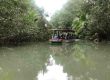
Unlike hiking through a rainforest, exploring the mangroves by boat allows visitors to glide quietly through narrow waterways where wildlife often appears just a few feet away. The calm conditions make it easier to observe animals without disturbing their natural behavior.
The peaceful atmosphere is one of the reasons many travelers consider the Quepos mangrove boat tour to be one of the most relaxing wildlife excursions in Costa Rica.
What Makes Mangrove Forests So Unique?
Mangrove forests are among the most productive ecosystems on Earth. Their specialized trees thrive in salty, brackish water, creating intricate root systems that stabilize coastlines while providing shelter for countless species.
The Damas Island Mangroves play several essential ecological roles:
- Protect coastal areas from erosion
- Filter sediments and pollutants
- Store significant amounts of carbon
- Provide breeding grounds for fish and crustaceans
- Offer nesting sites for birds
- Support mammals, reptiles, and amphibians
These ecological benefits make the mangroves vital not only for wildlife but also for nearby communities that depend on healthy marine ecosystems.
Why the Damas Island Mangroves Are One of Costa Rica’s Best Wildlife Destinations
Nestled just a few minutes from Quepos and Manuel Antonio, the Damas Island Mangroves offer one of the richest and most accessible wildlife experiences in Costa Rica. While many visitors come to the region for the beaches and Manuel Antonio National Park, those who venture into the mangrove estuary quickly discover a completely different ecosystem filled with fascinating animals, winding waterways, and peaceful scenery.
A Damas Island mangrove boat tour provides a unique opportunity to explore a thriving coastal habitat where freshwater rivers meet the Pacific Ocean. This transition creates an environment that supports hundreds of species of birds, reptiles, mammals, fish, and countless marine organisms. Whether you’re a nature enthusiast, wildlife photographer, or family looking for an unforgettable adventure, the mangroves deliver an experience unlike any other.
In this guide, you’ll learn what makes the Damas Island Mangroves so special, the incredible wildlife that calls them home, and why a Manuel Antonio mangrove boat tour or Quepos mangrove boat tour deserves a place on your Costa Rica itinerary.
Incredible Wildlife Around Every Bend
One of the biggest reasons visitors book a Damas Island mangrove boat tour is the chance to encounter wildlife in its natural habitat. Since the waterways are relatively quiet and surrounded by dense vegetation, animals often feel comfortable going about their daily routines while boats pass respectfully nearby.
Experienced local guides know where to look, dramatically increasing your chances of memorable sightings.
White-Faced Capuchin Monkeys
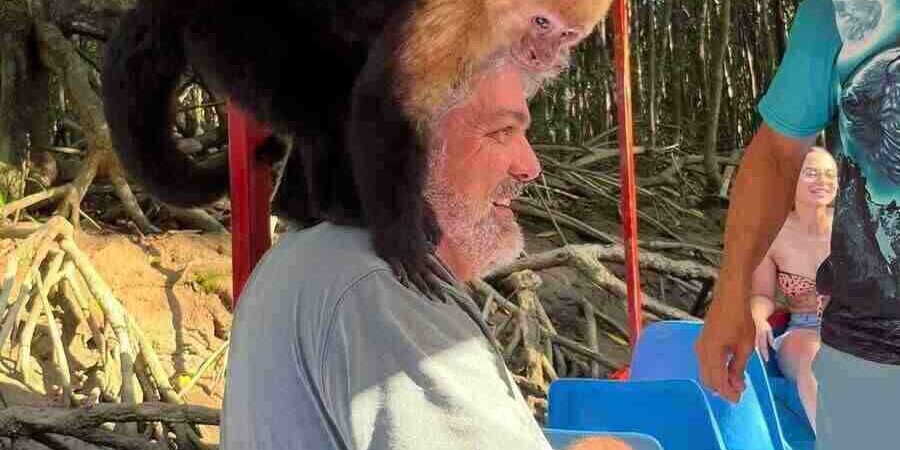
These intelligent and curious monkeys are among the stars of the mangroves. They frequently travel through the tree canopy searching for fruits, insects, and small animals.
Visitors often see them jumping effortlessly between branches while young monkeys play nearby.
Howler Monkeys
The deep roar of howler monkeys can echo across the estuary long before they’re visible.
Despite their powerful vocalizations, these leaf-eating primates spend much of the day resting high in the trees, making careful observation especially rewarding.
Squirrel Monkeys
Depending on the season and movement of local troops, lucky visitors may spot endangered Central American squirrel monkeys.
Their energetic behavior and small size make them one of the most exciting animals to photograph during a Manuel Antonio mangrove boat tour.
Two-Toed and Three-Toed Sloths
Sloths blend remarkably well into the mangrove canopy.
Guides are experts at spotting these slow-moving mammals, pointing out individuals that many visitors would otherwise overlook.
Watching a sloth peacefully hanging from a branch becomes a highlight for many guests.
A Paradise for Birdwatchers
Bird enthusiasts consistently rank the Damas Island Mangroves among the finest birdwatching destinations on Costa Rica’s Pacific coast.
More than a hundred species may be observed throughout the year.
Common sightings include:
- Great Blue Herons
- Green Herons
- Little Blue Herons
- Snowy Egrets
- Boat-billed Herons
- Roseate Spoonbills
- Kingfishers
- Ospreys
- Black Hawk
- Mangrove Hummingbirds
- Scarlet Macaws flying overhead
- Pelicans
- Cormorants
- Anhingas
Early morning departures typically provide the best lighting and the highest bird activity.
Fascinating Reptiles of the Mangroves
The estuary is also home to an impressive variety of reptiles.
American Crocodiles
These impressive reptiles often rest along muddy banks or partially submerged near the water’s edge.
Although their size can be intimidating, they generally remain calm and uninterested in tour boats when observed responsibly.
Green Iguanas
Large green iguanas frequently bask in the sun along exposed branches.
Their vibrant coloration makes them surprisingly easy to spot.
Basilisk Lizards
Known as the “Jesus Christ Lizard” because they can run across water, basilisks occasionally dart across shallow channels, delighting guests.
Snakes
Several non-aggressive snake species inhabit the mangroves, including tree boas and vine snakes. Professional guides help identify them while maintaining a respectful distance.
The Nursery of the Pacific Coast
Many visitors don’t realize that mangrove forests function as giant nurseries for marine life.
The tangled root systems protect juvenile fish from predators while offering abundant food.
Species that spend part of their life cycle in the mangroves include:
- Snappers
- Groupers
- Jacks
- Needlefish
- Mullet
- Shrimp
- Crabs
- Oysters
Healthy mangroves contribute directly to the productivity of offshore fisheries throughout Costa Rica.
Calm Waters Make Wildlife Viewing Easy
Unlike ocean excursions, the waterways inside the estuary remain calm throughout most of the year.
This creates ideal conditions for:
- Families with children
- Senior travelers
- First-time wildlife enthusiasts
- Photographers
- Birdwatchers
The gentle pace allows guides to stop whenever wildlife is spotted, giving everyone plenty of time to observe and take photos.
An Educational Experience for All Ages
A Manuel Antonio mangrove boat tour offers much more than wildlife viewing.
Knowledgeable naturalist guides explain:
- How tides influence the ecosystem
- The importance of mangrove conservation
- Wildlife behavior
- Plant adaptations
- Local history
- Sustainable tourism efforts
Children especially enjoy learning how animals survive in such a unique environment.
Excellent Wildlife Photography Opportunities
Photographers appreciate several advantages of exploring the mangroves by boat.
The slow-moving vessels allow time to compose shots while the surrounding vegetation provides natural backgrounds.
Popular photography subjects include:
- Monkeys
- Sloths
- Crocodiles
- Colorful birds
- Reflections on calm water
- Mangrove roots
- Sunrise lighting
- River landscapes
Bringing binoculars can also enhance the overall experience.
A Different Perspective Than Manuel Antonio National Park
While Manuel Antonio National Park offers exceptional rainforest hiking, the mangroves reveal an entirely different side of Costa Rica’s biodiversity.
|
Manuel Antonio National Park |
Damas Island Mangroves |
|
Walking trails |
Scenic boat exploration |
|
Beach and rainforest |
Estuary ecosystem |
|
Ocean views |
Mangrove tunnels |
|
Larger visitor numbers |
Smaller groups |
|
Hiking required |
Minimal physical effort |
Many travelers choose to enjoy both experiences for a complete understanding of the region’s natural diversity.
Sustainable Tourism Protects the Ecosystem
Responsible tour operators follow strict environmental practices that help preserve this fragile habitat.
These include:
- Maintaining safe distances from wildlife
- Operating at slow speeds
- Avoiding feeding animals
- Following designated waterways
- Educating visitors about conservation
- Supporting local environmental initiatives
Choosing a reputable Quepos mangrove boat tour helps ensure the ecosystem remains healthy for future generations.
When Is the Best Time to Visit?
Wildlife can be seen throughout the year.
However, each season offers unique advantages.
Dry Season
- Comfortable weather
- Excellent visibility
- Calm conditions
- Great for photography
Green Season
- Lush vegetation
- Increased bird activity
- Fewer visitors
- Dramatic scenery
Since the estuary is influenced by tides rather than rainfall alone, wildlife sightings remain consistently rewarding.
What to Bring on Your Tour
Packing a few essentials will make your trip even more enjoyable.
Recommended items include:
- Lightweight clothing
- Hat
- Sunglasses
- Reef-safe sunscreen
- Insect repellent
- Camera
- Binoculars
- Reusable water bottle
- Comfortable footwear
- Waterproof bag for electronics
Most tours provide life jackets and other necessary safety equipment.
Who Will Enjoy a Damas Island Mangrove Boat Tour?
This experience appeals to a wide range of travelers, including:
- Families
- Couples
- Solo travelers
- Nature lovers
- Birdwatchers
- Wildlife photographers
- Seniors
- Educational groups
- Cruise ship visitors
- First-time visitors to Costa Rica
Because there is very little physical exertion, it’s one of the most accessible wildlife tours in the Manuel Antonio area.
Why the Damas Island Mangroves Stand Out
Costa Rica is home to many beautiful natural attractions, yet the Damas Island Mangroves offer a combination of biodiversity, accessibility, and tranquility that is difficult to match.
Within just a few hours, visitors may observe monkeys swinging through the canopy, sloths resting overhead, crocodiles basking along the shoreline, colorful birds hunting in the shallows, and intricate mangrove roots supporting an entire ecosystem beneath the surface.
Unlike crowded attractions, the estuary invites travelers to slow down and appreciate nature at its own pace. Every bend in the river presents another opportunity for discovery, making no two tours exactly alike.
Whether you’re passionate about wildlife, interested in conservation, or simply looking for a relaxing excursion during your vacation, a Damas Island mangrove boat tour offers an unforgettable glimpse into one of Costa Rica’s most remarkable natural environments.
Conclusion
The Damas Island Mangroves are far more than a scenic waterway—they are a thriving ecosystem that showcases the incredible biodiversity of Costa Rica’s Pacific coast. From playful monkeys and elusive sloths to vibrant birdlife and ancient mangrove forests, every moment on the water offers something new to discover.
Booking a Manuel Antonio mangrove boat tour is one of the best ways to experience this remarkable habitat while learning about the delicate balance that keeps it flourishing. Whether you’re visiting for wildlife photography, family adventure, or peaceful exploration, a Quepos mangrove boat tour provides an authentic encounter with nature that complements any trip to Manuel Antonio.
If you’re searching for an unforgettable eco-adventure that combines relaxation, education, and incredible wildlife viewing, the Damas Island Mangroves deserve a top spot on your Costa Rica travel itinerary.